

Driving the Figma Transition at Nets
How I successfully introduced and implemented Figma as the corporate design tool, enabling over 500 active users to collaborate more efficiently while saving software spending.

The Challenge
A Workflow Bottleneck That Needed to Change
I recall a pivotal moment when our design process at Nets came to a standstill because a team member was unexpectedly out sick. We were using Sketch for UI design and Abstract for version control, which operated on a check-in/check-out system. This setup meant that if someone forgot to check a file back in – or was unexpectedly unavailable – our progress was halted. To circumvent this, we fragmented our designs into multiple files, adding complexity and hindering collaboration. Moreover, maintaining licenses for both Sketch and Abstract was becoming increasingly costly and inefficient.
During this time, I had been exploring Figma and was impressed by its potential to address our challenges:
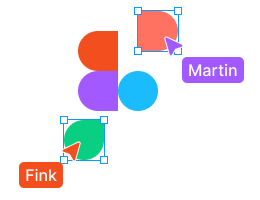
Real-time collaboration
Multiple designers could work on the same file simultaneously, eliminating bottlenecks.
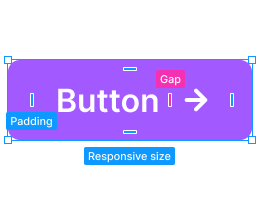
Enhanced component management
Features like Auto Layout made creating scalable components more efficient.
Cost-effectiveness
Transitioning to Figma could reduce our expenses by consolidating tools.
Recognizing these advantages, I proposed a phased approach to integrate Figma into our workflow.
The Strategy
Building a Case for Change
Convincing a team to overhaul its core design tools is no small feat. Designers often rely on familiar workflows, and introducing a new platform can be met with skepticism. To ensure a smooth transition, I implemented a strategic plan:
- Starting Small: I initiated a pilot project with two designers to evaluate Figma’s capabilities in a real-world scenario. We imported existing Sketch files, tested workflows, and immediately noticed improvements in collaboration and efficiency.
- Scaling Gradually: Encouraged by the pilot’s success, we expanded Figma’s adoption to additional projects. I conducted training sessions, developed quick-start guides, and offered ongoing support to facilitate the transition.
- Extending Beyond Design: As designers embraced Figma, its collaborative features attracted interest from UX researchers, product managers, and marketing teams. The introduction of FigJam further accelerated this cross-functional adoption.
This measured approach transformed Figma from an experimental tool into our primary collaboration platform.
The Growing Pains
Navigating the Challenges
With widespread adoption came new challenges, particularly in license management. Each department operated with its own budget and account, leading to complexities in tracking usage and payments. Initially, I managed license distribution, but as demand grew, this approach became unsustainable. I escalated the issue to leadership, advocating for a structured payment model. After thorough discussions:
- Rotational Payments: Departments agreed to alternate responsibility for license fees, promoting shared ownership.
- Exploring Enterprise Solutions: We considered Figma’s Enterprise plan, which offered enhanced license management. However, due to budget constraints, we decided against this option.
Despite these administrative hurdles, the momentum of Figma’s adoption remained strong, embedding it deeply into our workflows.
The Results
Quantifying the Impact
By leading this strategic transition, we achieved significant milestones:
✅
Broad Adoption
Over 500 active users across design, research, product, and marketing teams.
✅
Enhanced Collaboration
Eliminated version control bottlenecks, fostering seamless teamwork.
✅
Cost Savings
Consolidated tools, reducing software expenses.
✅
Integrated Processes
Strengthened cross-departmental communication and efficiency.
This initiative not only resolved existing workflow issues but also redefined our collaborative culture, enabling teams to work more creatively and effectively.
The Cost Perspective
Understanding Savings
While specific historical pricing data is limited, transitioning from Sketch and Abstract to Figma likely resulted in cost reductions. For instance, Sketch’s subscription was approximately $9 per user per month or $99 annually, and Abstract’s pricing was around $45 per designer per month. In contrast, Figma’s Professional plan was approximately $12 per editor per month when billed annually. These figures suggest that consolidating tools with Figma offered financial benefits.